Building Resilient Homes: Weatherproofing Tips from Carpentry Kings May 22, 2025
Weatherproofing starts with a thorough inspection of your home’s exterior. Check for any cracks in the foundation, walls, or around window frames that could allow water or drafts to enter. These should be sealed with high-quality caulk or other appropriate sealants. Regular inspections are crucial because small gaps can lead to significant problems over time, including water damage and increased energy bills.
The roof is another critical area in need of protection. Our experts at Carpentry Kings recommend checking for broken or missing shingles, especially after storms. Ensure that your gutters and downspouts are clear of debris to prevent water accumulation. Installing a high-performance underlay under your shingles can also provide additional protection against leaks.
Windows and doors are common entry points for drafts and moisture. To improve their resilience, consider upgrading to energy-efficient windows and doors. These come with better insulation properties and can significantly reduce your heating and cooling costs. Make sure that existing windows and doors have proper weatherstripping. This material acts as a barrier against the elements and should be replaced if it starts showing signs of wear.
Ventilation is a crucial but often overlooked aspect of weatherproofing. Proper ventilation in your attic and crawlspaces prevents moisture buildup, which can lead to mold and mildew. Ensure that vents are not blocked and are functioning efficiently to allow for air circulation. Additionally, installing a vapor barrier in your crawlspace can prevent ground moisture from seeping into the foundation of your home.
Landscaping also plays a role in protecting your home from harsh weather. The grading around your house should direct water away from the foundation. This prevents water pooling and infiltration into the basement. Planting trees and shrubs strategically can serve as windbreakers, reducing the impact of strong gusts on your home. However, ensure that roots are not too close to your foundation, as they can cause structural issues over time.
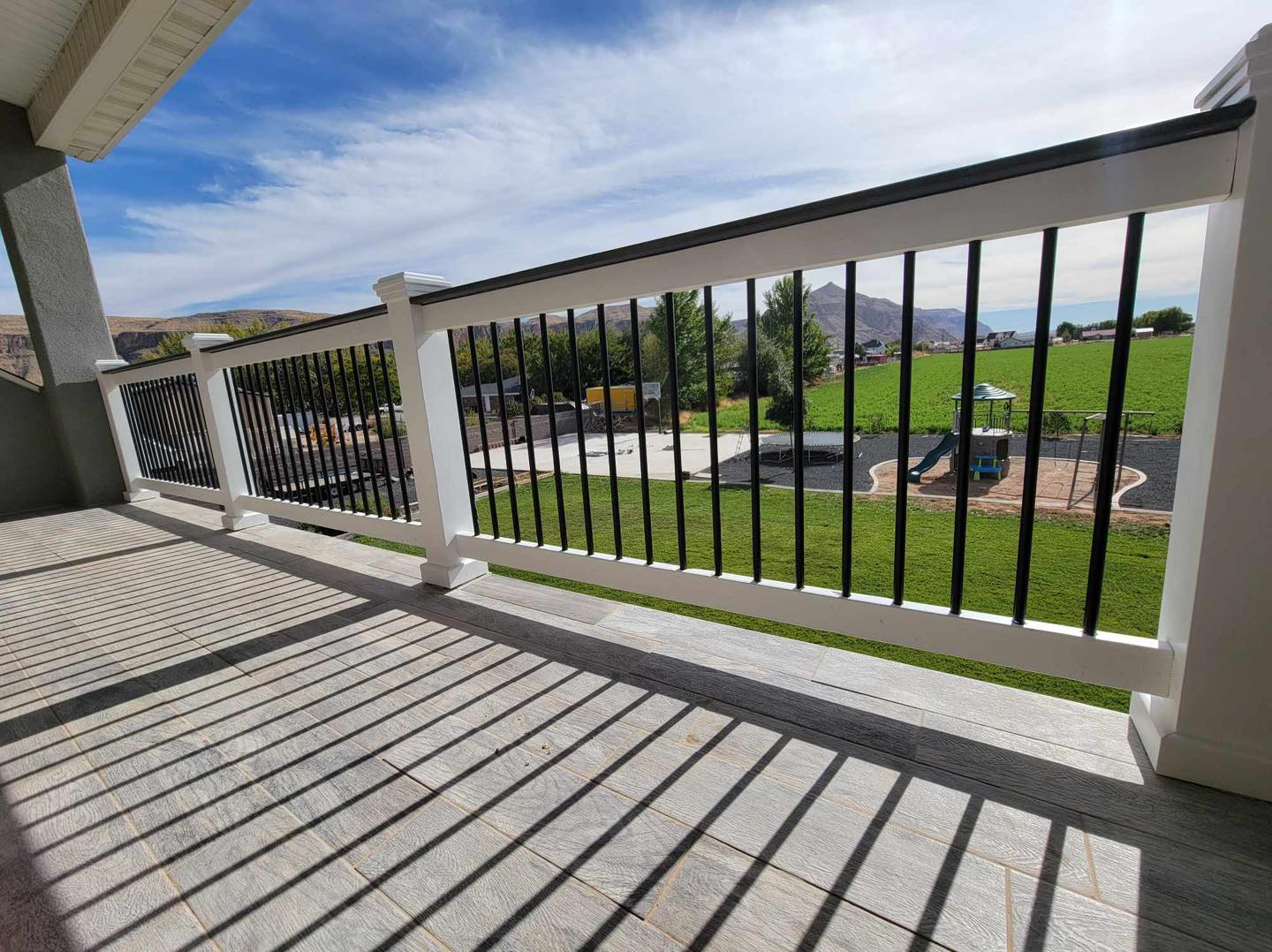
Lastly, consider using weather-resistant materials for your home’s exterior. Fiber cement siding, for example, offers excellent durability against rain, wind, and pests compared to traditional wood siding. Similarly, opt for composite decking materials in your outdoor spaces, as these can handle weather extremes more effectively without warping or rotting.
In conclusion, building a weatherproof home involves a combination of preventative measures, regular maintenance, and the right choice of materials. By following these tips from Carpentry Kings Construction, you can make your home not only more resilient against the elements but also more energy-efficient and comfortable.
Weatherproofing may seem daunting, but taking these steps gradually and regularly assessing your home’s vulnerabilities can save you from costly repairs down the line. By investing time and resources into making your home weather-resistant, you're safeguarding your peace of mind and the value of your property for the years to come. For more personalized advice or a professional inspection, feel free to reach out to us at Carpentry Kings Construction. We’re here to help fortify your home against whatever Mother Nature throws your way.
/filters:no_upscale()/filters:format(webp)/media/9eaf4c42-332c-4ac8-a71f-f18c471f1b51.jpeg)
/filters:no_upscale()/filters:format(webp)/media/28b48191-8af6-41f6-9256-c787594308dc.jpeg)